
Load Tests
Lifting Equipment Load Tests
A load test is a critical safety procedure that verifies the strength, stability, and performance of lifting equipment under controlled conditions. Our Load Test service is designed to confirm that your cranes, hoists, gantries, jib cranes, scissor tables, goods lifts, manipulators, and bespoke lifting devices can safely handle their rated load, helping you meet safety standards and regulatory requirements.
We carry out load tests in accordance with recognised industry practices and specific client or project requirements. Each test is planned and executed by qualified engineers who understand the importance of structural integrity, load capacity, and operational safety in lifting operations.
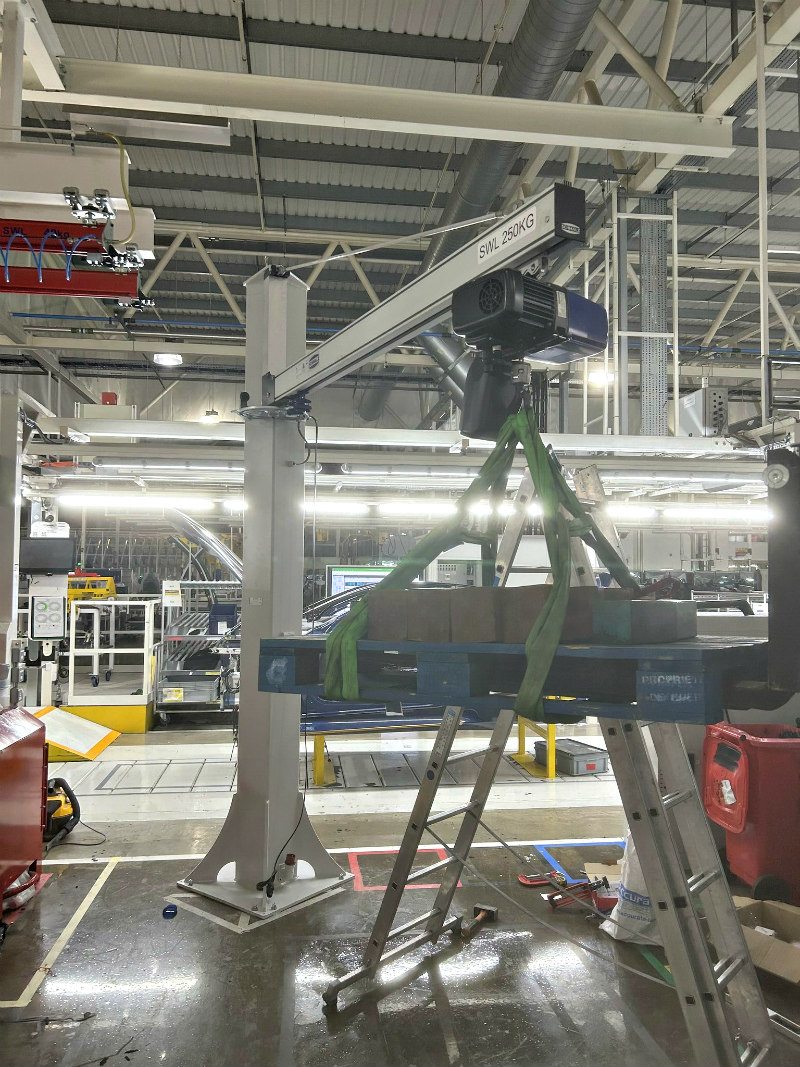
Why Load Testing Is Important
A load test provides documented confirmation that your lifting equipment is capable of performing safely at its rated capacity. It helps to identify potential weaknesses, instability, or design issues that may not be obvious during everyday use.
For new installations, major modifications, or relocations, a load test is often required before the equipment can be put into service. It also provides confidence for your health and safety team, insurance provider, and site management that the lifting system has been verified under realistic conditions.

How We Carry Out a Load Test
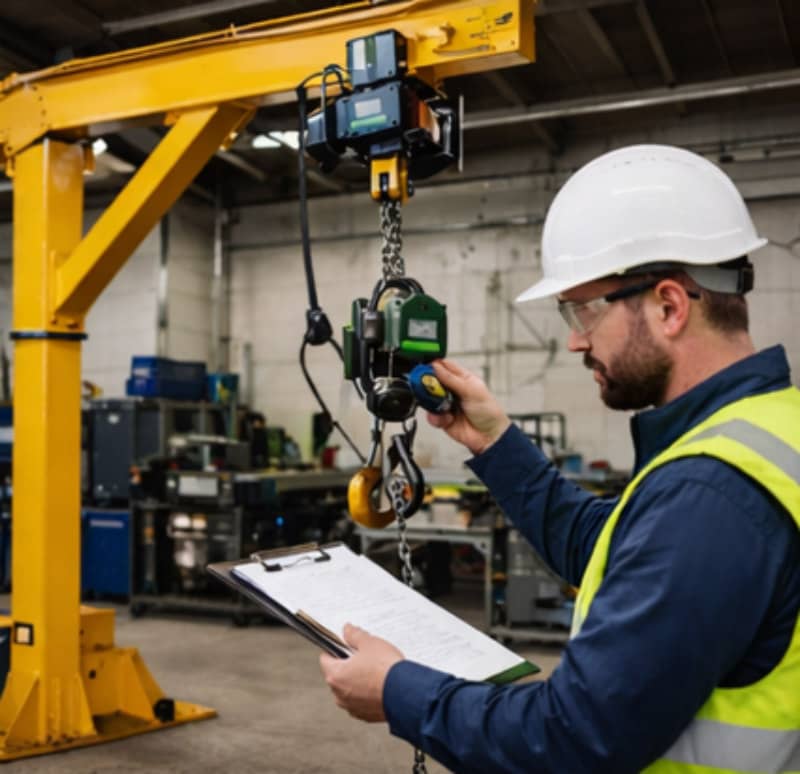
Before testing begins, our engineers carry out a full pre‑test inspection of the equipment, checking structural components, load‑bearing elements, safety devices, and fixings. We also review the rated capacity, usage conditions, and any site constraints.
During the load test, we apply a controlled load — typically a test load of a specified percentage above the rated capacity — in a safe and controlled manner. The system is monitored for movement, deflection, stability, and any signs of stress or defect. After the test, we perform a post‑test inspection and confirm that all components and safety features remain intact and functional.
Applications for Load Testing
Our Load Test service is suitable for:
New lifting equipment installations entering service for the first time.
Refurbished or reassembled cranes, hoists, gantries, or bespoke lifting solutions.
Relocated equipment that has been moved or reinstalled at a different location.
Major modifications or upgrades that affect the load‑bearing structure or lifting capacity.
Special projects or client requirements where third‑party verification of lifting performance is needed.
A load test can also be incorporated into wider safety validation or project commissioning programmes, providing auditable proof that your lifting system meets the required performance and safety standards.
Ensure compliance with professional load testing
BOOK TODAY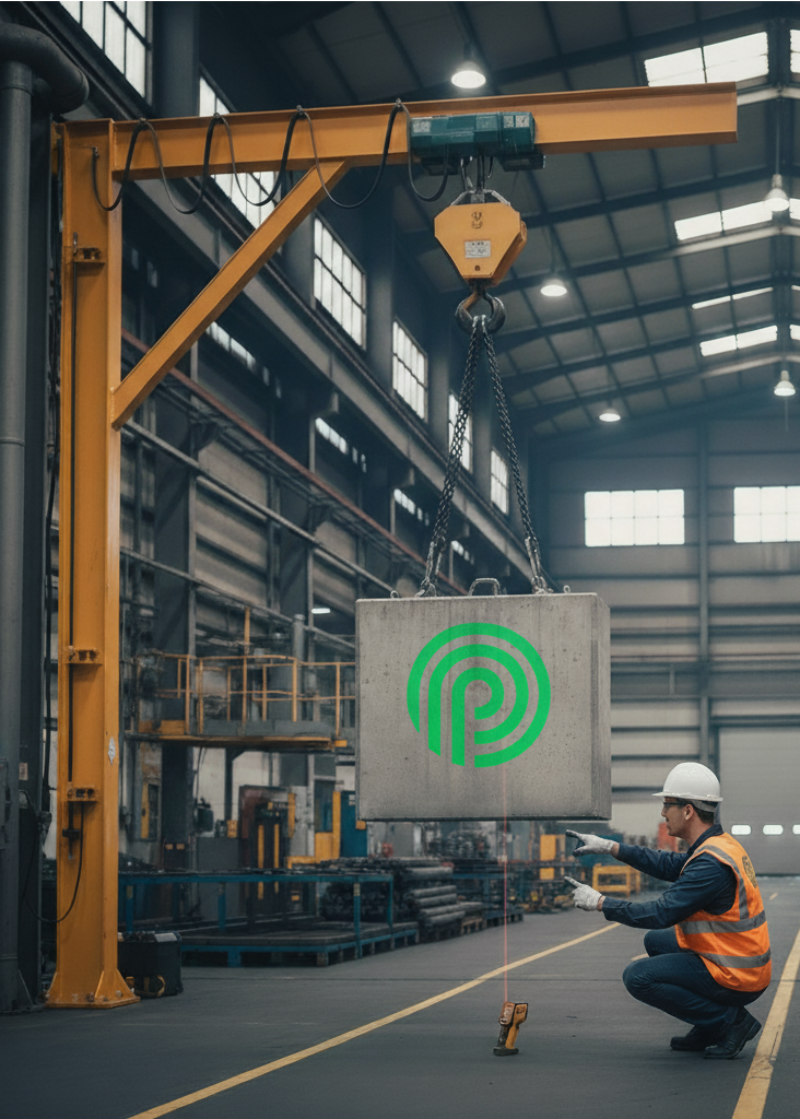
Compliance and Safety Assurance
While load testing is not always a statutory requirement, it is widely recognised as best practice and may be specified by clients, consultants, or insurance providers. Our approach combines technical expertise with a strong focus on safety, risk assessment, and site-specific planning.
We work closely with your site team to coordinate access, isolation, and any temporary exclusion zones, ensuring that the test is carried out safely and with minimal disruption to your operations. After the test, you receive a clear load test report detailing the equipment, test conditions, measurements, and results.
This gives you added confidence in the reliability of your lifting equipment while supporting compliance, reducing risk, and helping protect your business. By choosing a professional, well-planned service, you also demonstrate a clear commitment to operational safety and responsible asset management.
Support for Bespoke and Custom Lifting Solutions
We regularly carry out load tests on custom‑built and bespoke lifting devices, where standard testing procedures may need to be adapted to match the design intent and usage conditions. Our engineers take time to understand the load path, supporting structure, and operating environment so that the load test is meaningful, representative, and safe.
By tailoring the test to your specific equipment and application, we help you demonstrate compliance, confidence, and technical assurance for even the most unique lifting solutions.
Load Testing FAQ (Frequently Asked Questions)
What is load testing and why is it important?
Load testing is a controlled process used to confirm that lifting equipment or a lifting structure can safely perform under a specified load. It is an important part of proving reliability, supporting compliance, and helping ensure that equipment is safe for use in real working conditions.
Do I need load testing for my lifting equipment?
Load testing is not always a statutory requirement, but it is widely recognised as best practice and may be requested by clients, consultants, or insurance providers. It is often recommended after installation, modification, repair, or before equipment is put into service.
What can Custom Lifting Solutions load test?
Custom Lifting Solutions provides load testing for a wide range of lifting equipment and bespoke lifting systems. This can include lifting beams, davit arms, hoists, runway systems, anchor points, and other custom lifting solutions designed for specific site or operational requirements.
How does your load testing service work?
Our load testing service is carefully planned around your equipment, your site, and your operational needs. We work with your team to arrange access, isolation, and safety controls before carrying out the test using suitable equipment and proven procedures, ensuring a safe and efficient service from start to finish.
Will load testing affect my day-to-day operations?
We understand the importance of minimising downtime, which is why we plan every load test to reduce disruption wherever possible. By coordinating closely with your site team, we help ensure the testing process is completed safely, efficiently, and with minimal impact on normal operations.
What do I receive after the load test is complete?
Once the test has been completed, you will receive a clear and professional load test report detailing the equipment tested, the test conditions, the measurements taken, and the final outcome. This provides valuable documentation for compliance, maintenance records, and ongoing confidence in the safety and performance of your lifting equipment.
If you have any more questions?
Please do not hesitate to get in touch
Evesham,
Worcestershire,
WR11 2GE,